
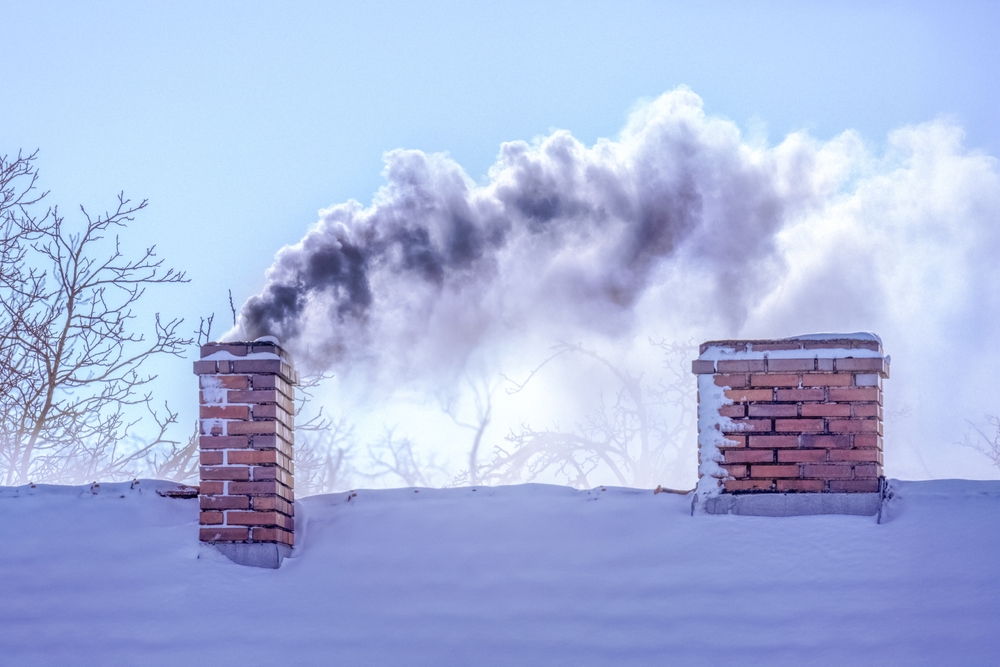
Nothing beats the warmth and ambiance of a crackling fireplace during a cold Pennsylvania winter. However, without proper preparation, the harsh freeze-thaw cycles, snow, and ice typical of our area can turn this cozy feature into a significant safety hazard. If moisture has penetrated your bricks, rapid freezing overnight expands the water, causing cracks and structural instability. Additionally, neglected flues can hide dangerous creosote buildup or blockages.
The best way to avoid chimney fires, carbon monoxide leaks, or expensive masonry repairs in the dead of winter is to perform a thorough check of the system before the first frost hits. Below, we’ll walk through the most important steps Bensalem homeowners should take to prepare their chimneys for winter and explain why professional help is often essential for peace of mind.
Inspect the Chimney for Creosote Buildup
The most immediate danger to any wood-burning fireplace is creosote. This is a dark, tar-like substance that accumulates on the inside of your chimney flue as a byproduct of burning wood.
Creosote is highly flammable, and if allowed to build up over time, even a stray spark can ignite it and cause a chimney fire. These fires burn incredibly hot and can crack the flue liner, allowing heat to transfer to the wooden framing of your house.
Before lighting your first fire of the season, check the flue. If you see a black, crusty, or shiny substance on the walls, do not use the fireplace until it has been professionally swept.
Check the Exterior Masonry
Take a walk outside and look up. Your chimney endures the brunt of the weather, and in Bucks County, the freeze-thaw cycle is the enemy of brick and mortar. When water seeps into porous bricks or small cracks in the mortar, it freezes and expands. This process can cause the face of the brick to pop off or crumble — a condition known as spalling.
While standing on the ground outside your home, look for:
- Crumbling mortar joints.
- Bits of brick on the ground or roof around the chimney.
- Visible cracks in your chimney running vertically or horizontally.
- Discoloration or white staining (efflorescence), which indicates moisture is moving through the masonry.
Catching these issues early allows for tuckpointing rather than requiring a partial or full rebuild later in the winter.
Examine the Chimney Cap and Crown
Your chimney cap and crown play a critical role in protecting your chimney from winter weather. The chimney cap sits at the top of the flue and prevents rain, snow, animals, and debris from entering the chimney. If the cap is damaged, missing, or improperly fitted, moisture can easily find its way inside, leading to rusted components, deteriorated liners, and masonry damage.
The chimney crown is the sloped concrete or masonry surface surrounding the flue at the top of the chimney. Its purpose is to shed water away from the chimney structure. Cracks or gaps in the crown allow moisture to seep in, which can expand during freeze-thaw cycles and cause further cracking or structural deterioration.
Before winter, it’s important to ensure the chimney cap is securely in place and the crown is free of cracks or signs of wear. If anything looks concerning, call a professional for chimney repairs and new chimney caps.
Test the Damper Functionality
The damper is the metal plate located just above the firebox that you open to let smoke escape and close to keep heat in when the fire is out. If your damper is warped, rusted, or off its track, it may not open fully (leading to a smoke-filled room), or it may not close tightly.
A damper that doesn’t seal properly is a massive energy waster. It’s essentially an open window that sucks your expensive heated air right out of the house 24/7. Before winter sets in, open and close the damper several times to ensure it moves freely and seats firmly against the throat of the chimney.
Check the Flue and Liner for Obstructions or Damage
Your chimney flue and liner are essential for safely venting smoke, gases, and carbon monoxide out of your home. Unfortunately, animals, leaves, and debris can block the flue, while liners may crack or deteriorate due to heat and moisture exposure.
Because these issues are not always visible from the fireplace opening, a professional chimney inspection is often required to assess the condition of the flue and liner. Please do not skip this step as it helps protect your family’s health and safety all season long.
Prepare the Firebox and Surrounding Area
While preparing your chimney for the winter, you should also give some consideration to your system’s firebox and hearth. The firebox is where the fire burns, and it should be inspected for cracks, loose panels, or signs of excessive wear. Damaged fireboxes can allow heat to transfer to combustible materials, increasing the risk of fire.
Additionally, take time to prepare the surrounding area by removing flammable decorations, furniture, or stored firewood from near the fireplace opening. Make sure the hearth is clean and free of debris, and that the fireplace doors or screens are in good condition.
Test Smoke and CO Detectors
You cannot see or smell carbon monoxide (CO), but a blocked or malfunctioning chimney can pump this deadly gas into your home. For this reason, your chimney winter prep checklist should include:
- Testing or Installing CO Detectors: Make sure you have a carbon monoxide detector installed on every level of your home, specifically near sleeping areas and in the room with the fireplace. If you already have detectors in these places, test their batteries now.
- Testing Smoke Alarms: Similarly, ensure all smoke alarms are functioning.
- Inspecting the Fire Extinguisher: Keep a fully charged fire extinguisher nearby (but not right next to the fire, where it might be unreachable in an emergency). Make sure you know how to use it.
Let Our Bensalem Professionals Prepare Your Chimney for Winter
While a homeowner can spot obvious signs of damage like spalling bricks or a rusted cap, the most dangerous chimney issues are often hidden from plain view. In fact, a casual visual inspection cannot detect micro-cracks in a flue liner, verify the proper cure of mortar, or determine if the soot accumulation has reached a critical, combustible level. For these reasons, it’s critical to partner with a certified chimney sweep when preparing your chimney for winter.
At Above All Chimney & Masonry in Bensalem, PA, our professionals have the training and experience to identify code violations, structural weaknesses, and hidden blockages that the untrained eye will miss. We can then provide the necessary repairs or restoration services, whether that includes a routine sweep, a waterproof sealant application to stop freeze-thaw damage, or a comprehensive brick repair, to help your fireplace or heating system function properly throughout the coldest days of the year.
Contact our team today, and let us handle the dirty work of getting your chimney ready for winter so that you can enjoy the warmth, crackle, and glow of your fireplace safely all winter long.