
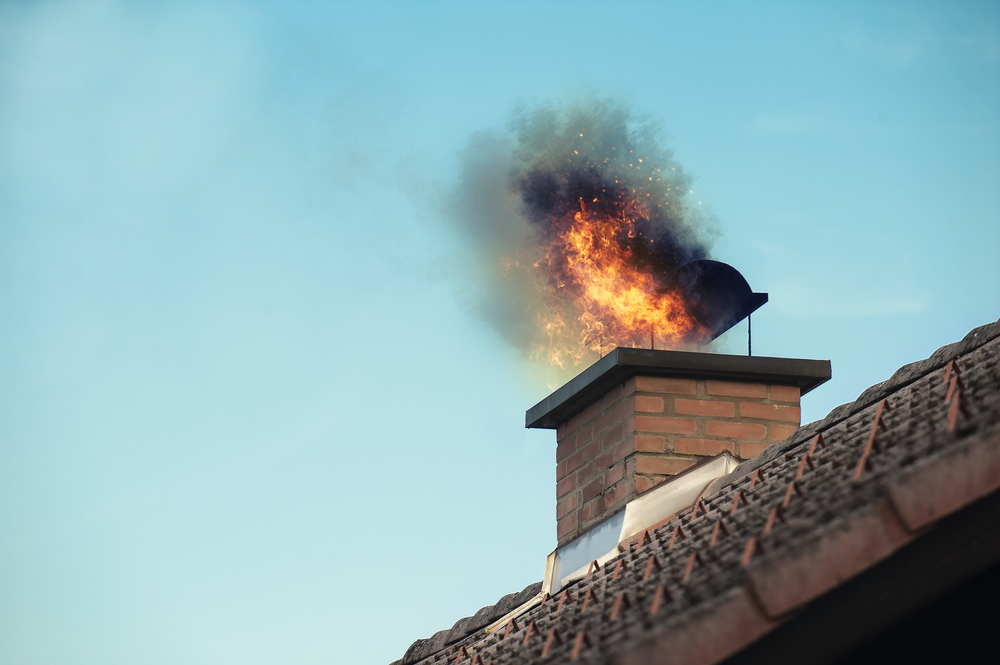
There is hardly anything more quintessential to a cozy winter evening than gathering around a crackling fireplace. The warmth, the ambiance, and the faint scent of woodsmoke create a sense of comfort that central heating simply cannot replicate. Of course, when chimneys aren’t properly maintained, peaceful moments with the family can quickly turn dangerous. After all, chimney fires are one of the most common — and most preventable — causes of home fires in the United States.
The good news is that chimney fires don’t have to be inevitable. With proactive care, regular maintenance, and safe fireplace habits, homeowners can dramatically reduce the risk of a chimney fire and protect both their home and their family.
Let’s take a closer look at the practical steps you can take this year to prevent chimney fires and keep your fireplace operating safely all season long.
Schedule Annual Chimney Sweepings and Inspections
One of the most important steps in preventing chimney fires is scheduling annual chimney sweepings and inspections. When you burn wood, creosote is created. This highly flammable substance then coats the interior walls of your chimney, and even a small buildup can lead to a dangerous chimney fire that spreads quickly.
An annual chimney inspection allows certified professionals to identify creosote buildup, blockages, cracks, and structural issues before they become serious hazards. On top of that, a professional sweeping can remove creosote, soot, and debris safely and thoroughly. This process not only reduces the risk of fires but also improves airflow, helping your fireplace burn more efficiently.
Even if you don’t use your fireplace frequently, yearly inspections are still essential. This is because animals, weather damage, or unnoticed deterioration can compromise your chimney’s safety without obvious signs inside your home.
Burn Only Seasoned Hardwoods
What you burn in your fireplace matters more than many homeowners realize. In fact, using the wrong type of wood can significantly increase creosote buildup and raise the risk of chimney fires.
Burning “green” or unseasoned wood (wood that has been freshly cut and still contains high moisture) is one of the fastest ways to clog a chimney. When wet wood is burned, a significant amount of energy is wasted boiling off the water rather than producing heat. This results in a cooler, smoldering fire that produces immense amounts of smoke. That heavy, wet smoke condenses rapidly in the flue, creating thick layers of creosote.
Softwoods, like pine, should also be avoided for regular use. While they may ignite easily, they contain higher levels of sap and resin, which contribute to creosote buildup.
Instead of unseasoned or softwood, choose seasoned hardwoods (such as oak, maple, or hickory). This type of wood has been dried for at least six to twelve months, allowing excess moisture to escape. Because of this, when the wood is burned, it produces less smoke and fewer deposits than green or unseasoned wood.
Make Sure You Have a Chimney Cap Installed
A chimney cap is a simple, relatively inexpensive device that sits atop your chimney, but its role in fire prevention is massive.
First, it prevents debris like leaves, twigs, and pine needles from falling into the chimney. This debris is highly combustible and can start a chimney fire if a stray spark travels up the flue. Second, it keeps animals (birds, squirrels, and raccoons) from building nests inside the chimney, which create dangerous blockages.
Finally, a cap prevents rain and snow from entering the flue. Moisture is the enemy of masonry; it mixes with soot to create acidic slurries that eat away at mortar joints and flue liners, leading to structural failures that can allow heat to escape into the home’s walls.
Use Proper Fire-Starting Techniques
How you start and manage a fire has a direct impact on chimney safety. Keep these fire-starting techniques in mind to reduce excessive smoke, improve airflow, and minimize creosote formation:
- Start fires with dry kindling and approved fire starters instead of paper products, cardboard, or household trash. These materials burn unpredictably and can send sparks and embers up the chimney.
- Never use flammable liquids, such as gasoline or lighter fluid, to start or revive a fire. Doing so greatly increases the risk of flare-ups and chimney damage.
- Build a smaller, controlled fire. Smaller fires burn hotter and cleaner, producing less smoke.
- Place your large logs on the bottom of the grate, add a layer of smaller logs/kindling on top, and place your tinder at the very top.
- Keep the damper fully open during use for proper ventilation and to prevent smoke and gases from backing up into your home.
Avoid Burning Improper Materials
Never treat your fireplace as an incinerator. It is designed for wood fuel only.
Avoid burning:
- Painted or treated wood
- Construction scraps or plywood
- Cardboard boxes or paper packaging
- Holiday greenery, wrapping paper, or trash
- Styrofoam
- Magazines
These materials release chemicals, excessive smoke, and debris that can coat chimney walls rapidly. Over time, this buildup increases fire risk and can compromise chimney liners.
Maintain the Surrounding Fireplace Area
Fireplace safety extends beyond the chimney itself. Keeping the area around the fireplace clear of flammable materials helps prevent accidental fires.
For example, keep furniture, rugs, decorations, and firewood a safe distance away from open flames. Also, use a sturdy fireplace screen or glass doors to prevent sparks and embers from escaping into the room. After burning a fire, always ensure embers are completely extinguished before leaving the fireplace unattended or going to bed.
Protect Your Home From Chimney Fires With Above All Chimney & Masonry
While homeowners can take many preventive steps on their own, partnering with an experienced chimney professional is essential for long-term safety and peace of mind, as they have the training, tools, and expertise to detect hidden issues that may not be visible from inside the home.
The experts at Above All Chimney & Masonry are particularly great at helping homeowners protect their properties with thorough chimney inspections, expert cleanings, and reliable chimney and masonry repairs. From removing hazardous creosote buildup to identifying structural concerns early, we keep chimneys safe, functional, and durable year after year.
If you live in Bensalem, PA, or the surrounding areas, contact our experienced team to schedule a professional inspection and take the next step toward preventing chimney fires.