
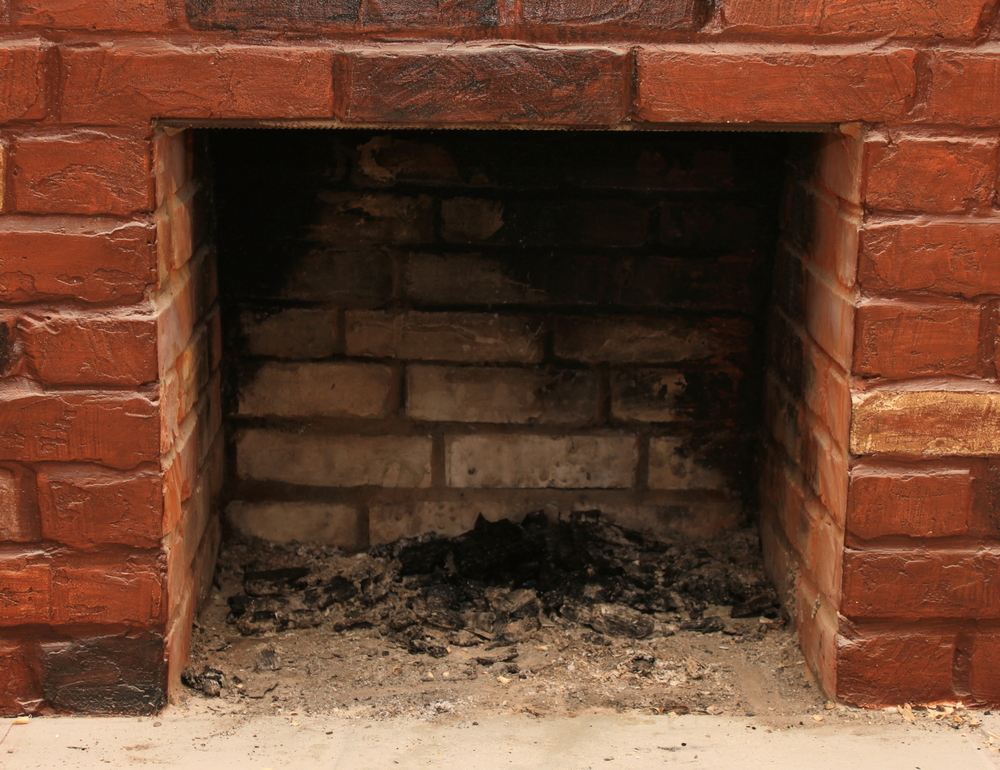
When homeowners think about chimney maintenance, they often focus on the visible elements, like the brick exterior, the chimney cap, or the fireplace itself. However, one of the most critical components of your chimney system is hidden from view: the chimney liner.
A chimney liner is designed to direct smoke, gases, and combustion byproducts safely out of your home while protecting the interior walls of the chimney from extreme heat and corrosive materials. When the liner becomes damaged, cracked, or deteriorated over time, it can no longer perform these essential functions effectively. This can lead to serious risks, including chimney fires and dangerous carbon monoxide exposure.
The good news is that chimney liner issues often show warning signs before they become severe hazards. Today, our professionals at Above All Chimney & Masonry will walk you through what your chimney liner does and (most importantly) how to recognize the signs that your liner may need repair or replacement.
What Does a Chimney Liner Do?
Your chimney liner is like an exhaust pipe for your home, and its primary function is threefold:
- Ensuring Proper Draft: A liner is sized specifically to your fireplace or heating appliance. This ensures that smoke and gases rise efficiently. An improperly sized or damaged liner can cause backdrafting, where toxic fumes stay inside your living space.
- Protecting the Masonry: Without a liner, the intense heat from a fire can actually cause the mortar joints of your chimney to expand and contract too quickly. This leads to heat transfer, where the heat passes through the brickwork so quickly that it can ignite nearby wooden framing or insulation in your walls.
- Protecting Against Corrosion: The combustion process produces acidic gases. If these gases come into direct contact with the brick and mortar of your chimney, they eat away at the structure, causing it to weaken over time.
In short, your chimney liner is essential for both safety and performance. When it’s compromised, the entire system is at risk.
Common Types of Chimney Liners
There are three primary types of chimney liners commonly found in homes. Each has its own benefits and lifespan:
Clay Tile Liners
Clay tile liners are one of the most traditional and widely used options, especially in older homes. They are durable and cost-effective, but they can crack over time due to heat exposure and age. Once damaged, they are difficult to repair and often require replacement.
Metal Liners
Metal liners, typically made from stainless steel or aluminum, are popular for their durability and versatility. Stainless steel liners, in particular, are highly resistant to corrosion and are often used when relining an existing chimney. They are a reliable option for many modern systems.
Cast-In-Place Liners
These liners are poured or formed directly inside the chimney, creating a seamless and insulated passage. They are highly durable and can strengthen the chimney structure, but installation is more complex and requires professional expertise.
Understanding the type of liner you have can help determine how it may deteriorate and what solutions are available if issues arise.
Top Signs Your Chimney Liner Needs Repair or Replacement
Because the liner is hidden from view, most homeowners don’t realize there is a problem until they schedule a professional chimney inspection. However, there are several warning signs that indicate your liner may be damaged or failing.
Cracked or Missing Liner Tiles
If your chimney has a clay tile liner, one of the most common signs of trouble is finding pieces of terra cotta or clay in your firebox. As clay tiles age, they can crack due to chimney fires, lightning strikes, or simply the natural settling of the house. Once a tile is cracked, heat and gases can escape through the gap, reaching the chimney’s exterior masonry and the wooden structure of your home.
Excessive Creosote Buildup
Creosote is a highly flammable byproduct of burning wood. While some buildup is normal, excessive accumulation may indicate that your liner is not venting properly. A damaged liner can create an uneven surface that allows creosote to collect more easily, increasing the risk of a chimney fire.
Smoke Entering the Home
Do you find yourself opening windows every time you start a fire because the room fills with a haze? This is a major red flag. If your liner is obstructed, improperly sized, or collapsing, it cannot create the vacuum (draft) necessary to pull smoke upward. The resulting backdrafting means you are breathing in combustion byproducts.
Poor Fireplace Performance
Is your fireplace struggling to stay lit, or does it seem less efficient than usual? A compromised chimney liner can disrupt airflow, making it harder for your system to function properly.
Visible Deterioration or Debris in the Firebox
When cleaning out your ash pit or firebox, look for more than just ashes. Do you see flakes of metal? These could be shale from a deteriorating metal liner. Do you see sand-like grit or chunks of mortar? This suggests the liner has failed and the acidic gases are now eating the chimney’s interior walls.
Unusual Odors
A healthy chimney shouldn’t smell like much of anything when not in use. If you notice a pungent, acrid smell (like burnt asphalt) or a musty, wet dog odor coming from the hearth, it often points to a combination of moisture and creosote trapped in the cracks of a damaged liner. These smells are often worse on humid days or after a rainstorm.
Evidence of Moisture Damage
Water is the enemy of your chimney. If your liner is cracked, moisture can seep into the masonry. You might notice white, powdery stains on the exterior brick (known as efflorescence), peeling wallpaper near the chimney stack, or damp spots on the ceiling near the fireplace. Moisture trapped within a liner can also lead to rapid decay during the freeze-thaw cycles of winter.
The Dangers of a Damaged Chimney Liner
Ignoring chimney liner issues can lead to serious and potentially life-threatening consequences.
- Chimney Fires: When heat escapes through cracks or gaps in the liner, it can ignite nearby combustible materials such as wood framing. Additionally, excessive creosote buildup caused by poor ventilation can easily catch fire.
- Carbon Monoxide Poisoning: A damaged liner may allow this odorless, colorless gas to leak into your home instead of being safely vented outside.
- Structural Damage: Heat, moisture, and corrosive byproducts can weaken the chimney’s masonry over time, resulting in costly repairs if left unaddressed.
Ultimately, a damaged chimney liner is not something to ignore. It’s an issue that requires prompt attention from a qualified professional.
Chimney Liner Repair vs. Replacement: What’s the Right Solution?
If your chimney liner is showing signs of damage, you may be wondering whether repair or replacement is the better option. The answer depends on several factors, including the extent of the damage, the type of liner, and the age of your system.
When Repair May Be Enough
Minor issues, such as small cracks or limited wear, can sometimes be addressed with targeted chimney repairs. For example, in some cases, resurfacing or patching techniques can restore functionality without a full replacement.
When Replacement Is Necessary
If the liner is extensively damaged, deteriorated, or outdated, replacement is often the safest and most effective solution. For example, clay tile liners with significant cracking or missing sections typically require relining with a more durable material, such as stainless steel.
Professional Assessment Matters
The best way to choose between chimney liner repair vs. replacement is through a professional chimney inspection. An experienced technician can evaluate the condition of your liner and recommend the most appropriate solution based on your specific situation.
Let Us Help You Determine the State of Your Chimney Liner
Your chimney liner plays a critical role in protecting your home and ensuring your fireplace operates safely. If you’ve noticed any of the warning signs we’ve discussed or if it’s been a while since your last chimney inspection, take action sooner rather than later. By catching liner damage early, you can prevent serious safety risks, avoid costly repairs, and extend the life of your chimney system.
Our family-owned and locally operated company has been providing trusted chimney liner solutions since 1994. Our experienced team can thoroughly inspect your chimney, identify any issues, and determine the best course of action to restore safety and performance, whether that’s simple repairs or chimney relining.
Contact Above All Chimney & Masonry today to schedule your professional inspection and make sure your home stays safe, efficient, and comfortable year-round.