
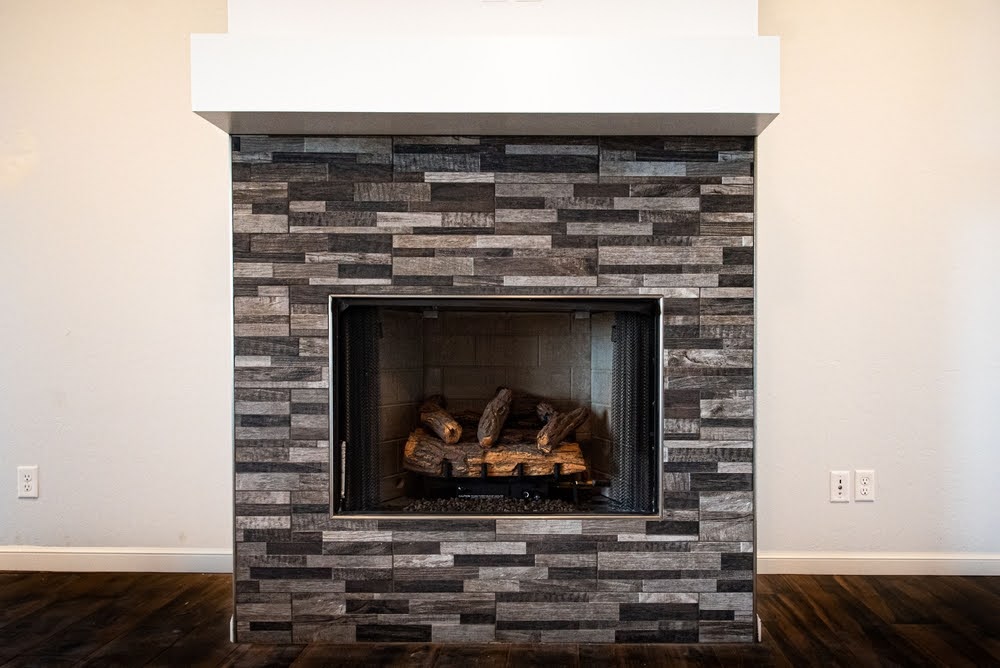
If you’ve ever walked past your fireplace on a cold winter day and felt an icy draft creeping into the room, you’re not alone. Many homeowners in Bensalem and throughout Bucks County experience cold air coming from their fireplace, even when it’s not in use. A variety of factors, including outside temperatures, chimney design, age, and normal wear and tear, can allow cold air to travel down the chimney and into your living space.
While these drafts are certainly uncomfortable, that’s not the only reason they deserve your attention. In fact, cold air infiltration can drive up heating bills, reduce energy efficiency, and make your home feel less comfortable during the months when you rely on heating sources like a fireplace the most.
The key to preventing cold air from entering through your fireplace is recognizing the early signs that your fireplace or chimney system may need professional attention or repairs. Let’s take a closer look at the five most common reasons cold air comes from a fireplace and what homeowners can do to stop it.
1. A Damaged or Improperly Sealed Damper
One of the most common causes of cold air coming from a fireplace is a damaged or improperly sealed damper. The damper is designed to open when you use the fireplace and close tightly when it’s not in use, preventing outside air from entering your home.
If the damper is the problem, you may feel a steady draft near the fireplace even when the damper appears closed. In some cases, the damper may be difficult to operate, stuck partially open, or visibly rusted or warped.
Over time, continued exposure to moisture and temperature changes can further damage the damper, making drafts worse and increasing heat loss. A faulty damper can also allow moisture, odors, and debris into the home.
2. A Missing or Ineffective Chimney Cap
A chimney cap plays a critical role in protecting your chimney from the elements and from unwanted airflow. Without a proper chimney cap, you may experience strong downdrafts, hear wind noise coming from the fireplace, or notice debris or animal activity inside the chimney.
A missing or poorly designed chimney cap also allows wind to blow directly into the flue. This creates downdrafts that push cold air into the home instead of allowing smoke and gases to exit properly.
Over time, an uncapped chimney is exposed to rain, snow, animals, and debris. These issues can lead to moisture damage, blockages, and costly repairs over time. If you suspect your chimney is going unprotected, reach out to our team about a chimney cap replacement.
3. Deteriorating Masonry or Mortar Joints
Cracks and gaps in your chimney’s masonry can also contribute to cold air drafts. Deteriorated masonry and failing mortar joints create pathways for cold air to enter the chimney structure and seep into the home. These gaps compromise the chimney’s ability to insulate against outdoor temperatures.
If faulty masonry is to blame for your drafty fireplace, you may also see cracked bricks, crumbling mortar, or white staining (efflorescence) on the chimney exterior. Inside, the fireplace area may feel unusually cold.
Cold air infiltration often goes hand in hand with moisture intrusion. During winter, freeze-thaw cycles can rapidly accelerate masonry damage, leading to more drafts, water leaks, and structural concerns.
4. Chimney Draft or Airflow Issues
Chimney draft problems are another common reason for cold air coming from a fireplace. You may also notice inconsistent fireplace performance, smoke backing into the home, or noticeable temperature fluctuations near the fireplace.
If a chimney is improperly sized, obstructed, or affected by pressure imbalances in the home, it may struggle to maintain proper airflow. This can cause cold outside air to be drawn downward instead of allowing warm air to rise and exit.
Draft issues can reduce fireplace efficiency and increase the risk of smoke or carbon monoxide entering the home. Over time, these airflow problems can also place stress on chimney components.
5. Worn Fireplace Doors or Seals
Fireplace doors and seals are designed to add an extra layer of protection against drafts, but only if they’re in good condition. Gaps around fireplace doors, loose-fitting panels, or worn gaskets can allow cold air to come in around the edges of the fireplace opening.
Over time, worn doors and seals allow more heat to escape, increasing energy costs and making your home less comfortable. They may also reduce safety when the fireplace is in use.
Take Care of Your Drafty Fireplace With Chimney Care
Accurately diagnosing the source of cold air coming from a fireplace often requires professional expertise, as multiple factors can contribute to airflow problems, and addressing only one issue may not fully solve the problem.
Partnering with a professional chimney and masonry company ensures your fireplace and chimney system are thoroughly inspected and properly repaired. At Above All Chimney & Masonry, we provide expert chimney inspections, masonry repairs, damper solutions, chimney caps, sealing services, and preventative maintenance services in Bensalem, PA. In this way, we can stop cold air infiltration and improve overall home comfort.
If you’re feeling cold air coming from your fireplace, don’t wait for higher heating bills or worsening drafts. Contact our professionals today to schedule a chimney assessment.